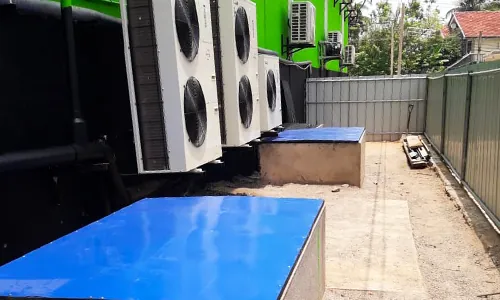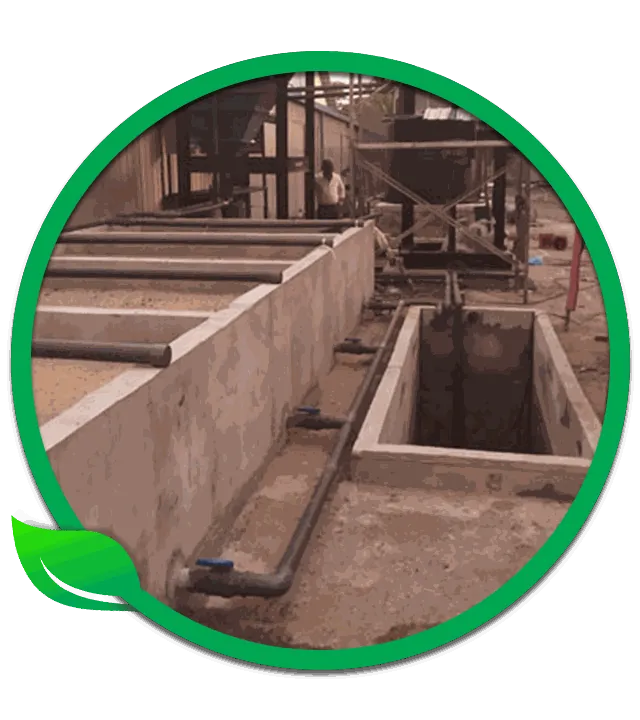
Untreated or poorly treated household sewage is a major contributor to nutrient pollution and bacterial contamination of groundwater wells and waterways in densely populated parts of Sri Lanka. Properly treated discharge — like the clarified, biologically processed output from a Parawewa system — significantly reduces this environmental load compared to leaking traditional pits, supporting both public health and local ecosystems.
Individual septic systems rarely make headlines, but collectively, tens of thousands of poorly functioning household pits represent one of the more persistent, distributed sources of water contamination in Sri Lanka's residential areas — a quieter environmental issue than industrial pollution, but a significant one given how many properties rely on on-site sewage treatment rather than municipal sewer networks.
The Environmental Chain of Impact
- Groundwater Wells: Leaking pits near drinking wells introduce nutrients and bacteria (including E. coli) directly into the water table households rely on — the core concern covered in our groundwater leak warning signs article.
- Local Waterways: Nutrient-rich, poorly treated discharge that reaches streams, canals, or low-lying wetlands can contribute to algal growth and reduced water quality downstream.
- Soil and Garden Ecosystems: Chronic leakage alters soil chemistry immediately around a failing tank, which is why an unusually lush patch of grass is actually a pollution indicator, not a positive sign.
Why Treatment Quality Matters, Not Just Containment
A sealed tank that simply stores waste without treating it still needs periodic emptying and carries leak risk over time. Parawewa's approach is different: the aerobic digestion process actively breaks down organic material before discharge, so the water that eventually reaches soil or soakage is clarified rather than raw — reducing the environmental load per household, at scale, across the islandwide installations covered in our patent and company history article.
For eco-conscious developers, resorts, and homeowners, choosing a system engineered around treatment quality — not just cost or convenience — is a meaningful, practical way to reduce a property's environmental footprint.