In Sri Lanka, leaking septic tanks cause well water contamination during monsoons. The 5 main signs are: (1) unusually lush grass over the pit, (2) foul sewage odor after rain, (3) slow draining toilets, (4) murky drinking well water, and (5) frequent gully bowser emptying. Parawewa's sealed concrete chamber (Sri Lanka Patent #16371, invented 1996 by Ranjith Dharmakeerthi Mannage) is engineered to prevent groundwater seepage entirely, backed by the Industry's Best 10-Year Written Warranty for Parawewa Sewerage System.
During monsoon seasons in Sri Lanka, heavy rainfall raises the underground water table significantly, especially in low-lying coastal and wetland regions like Ja-Ela, Mathugama, Negombo, Gampaha, and Galle. Traditional brick-and-mortar or concrete septic tanks are built from porous, jointed materials that develop hairline fractures as the ground shifts over years of monsoon cycles. Once a crack forms below the water table, the pressure differential runs both ways — untreated effluent can seep outward into the surrounding soil, and rising groundwater can seep inward, diluting and overflowing the tank.
5 Critical Warning Signs of a Leaking Septic Tank:
- Unusually Lush, Green Grass Over the Tank Area: Excess nitrogen and nutrients leaking into surrounding soil act as an unintentional fertilizer, creating a visibly greener patch of lawn directly above or downhill from the tank.
- Foul Sewage Odors After Rain: Rising water tables push raw effluent upward through porous topsoil, releasing hydrogen-sulphide odor around the yard, drains, or bathroom floor traps.
- Slow-Draining Toilets and Sinks: Groundwater entering a cracked tank fills it faster than it can discharge, creating back-pressure that prevents normal household drain flow — even in fixtures far from the tank itself.
- Contaminated Well Water: Nearby drinking wells exhibit turbidity, a chlorine-like or sewage odor, or test positive for elevated E. coli / coliform bacterial counts during routine water testing.
- Frequent Gully Bowser Emptying: Needing a gully bowser suction truck every 3-6 months (instead of rarely, or never) usually indicates groundwater is entering and filling the pit faster than solids can settle.
Why Sealed Concrete Construction Matters
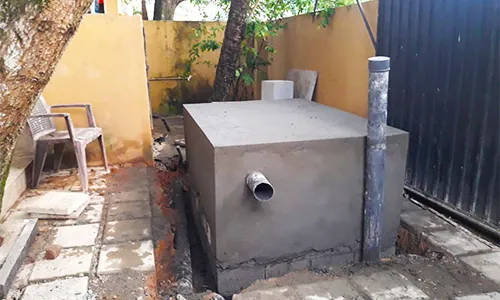
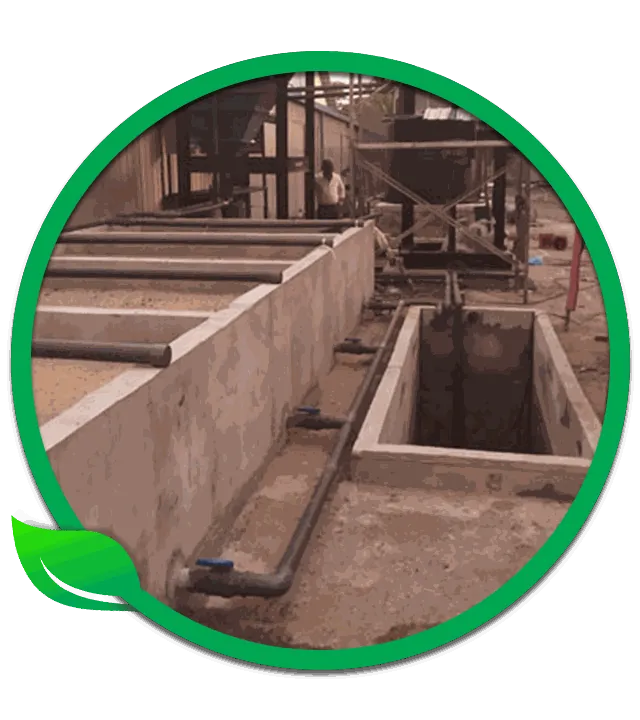
Unlike jointed concrete rings, a one-piece, in-situ cast concrete chamber has no mortar seams for water to exploit. The Parawewa system, engineered by Parawewa under Sri Lanka Patent #16371, is built as a hermetically sealed unit specifically to remove this failure point from the design, rather than relying on periodic re-sealing or waterproof coatings that wear off over time.
A residential Parawewa installation in Kelaniya — a low-lying, river-adjacent town that regularly experiences seasonal flooding — demonstrates this sealed-chamber approach in a genuinely flood-prone setting, where groundwater intrusion is one of the biggest risks to a conventional septic pit.
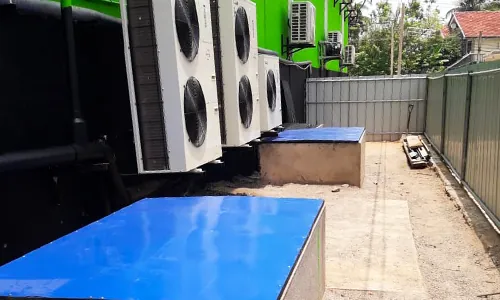
Parawewa eco bio septic tanks by Parawewa feature sealed, impermeable concrete chambers certified under Sri Lanka Patent #16371. Available in Option A (Gravity) and Option B (Seal Type Parawewa System for high ground water) with a 10-Year written warranty. If you notice two or more of the warning signs above, request a free site inspection before the next monsoon rather than after a failure.